Elk Grove Dodge Chrysler Jeep RAM







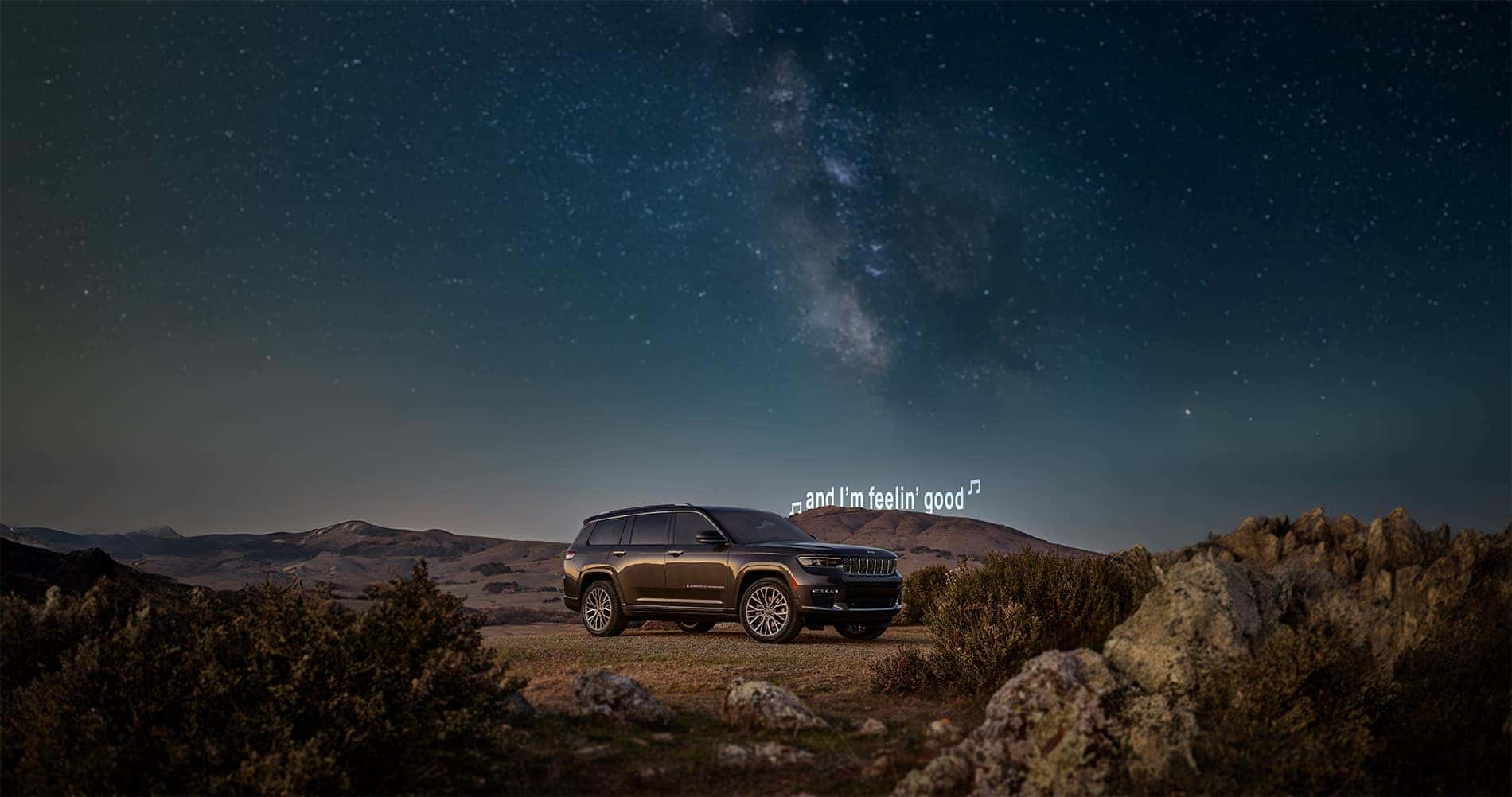
Few SUVs have left as lasting an impression on the automotive landscape as the Jeep Grand Cherokee Generations. Since its debut in 1993, the Grand Cherokee has consistently blended rugged off-road capability with everyday comfort, carving out a unique position in the midsize SUV market. Each generation has introduced new strengths—whether it was the durability of the early inline-six engines, the refinement of the second generation, or the performance surge brought by HEMI V8s and SRT models in later years.
This master comparison explores how the Grand Cherokee has evolved across five distinct generations, highlighting key specifications such as engine options, horsepower, MPG, towing capacity, ground clearance, and overall dimensions. By examining these details side by side, readers can see how Jeep has balanced tradition with innovation—preserving its trail-ready DNA while embracing modern demands for efficiency, luxury, and technology.
Whether you’re researching Jeep Grand Cherokee engines by year, comparing horsepower and towing capacity, or simply curious about how the Jeep Grand Cherokee size has grown over time, this guide provides a clear, data-driven overview. From the rugged first generation to today’s electrified 4xe models, the Grand Cherokee’s story is one of continuous improvement, making it a benchmark SUV for drivers who demand both capability and comfort.
To give you a complete picture of how the Jeep Grand Cherokee Generations have evolved, we’ve compiled this detailed FAQ section. Whether you’re curious about engine options, horsepower, MPG, towing capacity, or interior dimensions, these quick‑reference answers make it easy to compare models side by side.
Each generation of the Grand Cherokee has introduced new strengths—from the rugged durability of the early 1990s to the high‑performance SRT and Trackhawk trims, and now the innovative 4xe plug‑in hybrid. By exploring these FAQs, you’ll see how Jeep has balanced off‑road capability, family comfort, and modern efficiency across three decades of design.
Use this section as your go‑to resource for key specifications like ground clearance, size, towing capacity, and MSRP when new. It’s designed to help shoppers, enthusiasts, and researchers quickly find the answers they need while highlighting what makes each generation unique.
| Generation | Model Years | MPG Rating |
|---|---|---|
| 1st Gen (ZJ) | 1993–1998 | 14–20 mpg |
| 2nd Gen (WJ) | 1999–2004 | 14–21 mpg |
| 3rd Gen (WK) | 2005–2010 | 13–20 mpg |
| 4th Gen (WK2) | 2011–2021 | 13–26 mpg |
| 5th Gen (WL) | 2022–Present | 19–25 mpg (gas); 56 MPGe (4xe) |
The Jeep Grand Cherokee’s MPG progression across its five generations illustrates both the challenges and advancements in balancing performance with efficiency.
The first three generations (ZJ, WJ, and WK) delivered relatively modest fuel economy, typically between 13–21 mpg, reflecting the SUV’s emphasis on rugged capability and V8 power rather than efficiency.
The fourth generation (WK2) marked a turning point, with improved aerodynamics, refined transmissions, and the introduction of a diesel option, allowing ratings to stretch up to 26 mpg. This broadened the Grand Cherokee’s appeal to buyers seeking both strength and practicality.
The most significant leap arrives with the fifth generation (WL), where gas models achieve 19–25 mpg, but the 4xe plug‑in hybrid redefines expectations with 56 MPGe. This hybrid option not only boosts efficiency but also signals Jeep’s commitment to electrification, offering drivers a blend of traditional off‑road capability and modern sustainability that aligns with evolving consumer priorities.
| Generation | Model Years | Engine Options |
|---|---|---|
| 1st Gen (ZJ) | 1993–1998 | 4.0L I6; 5.2L V8; 5.9L V8 |
| 2nd Gen (WJ) | 1999–2004 | 4.0L I6; 4.7L V8 |
| 3rd Gen (WK) | 2005–2010 | 3.7L V6; 4.7L V8; 5.7L HEMI V8; 6.1L SRT8 V8 |
| 4th Gen (WK2) | 2011–2021 | 3.6L V6; 5.7L HEMI V8; 3.0L EcoDiesel; 6.4L SRT V8; 6.2L Supercharged V8 |
| 5th Gen (WL) | 2022–Present | 3.6L V6; 5.7L HEMI V8 (to 2023); 2.0L Turbo PHEV (4xe) |
The Jeep Grand Cherokee’s engine lineup across generations reflects its evolution from rugged utility to performance and efficiency versatility.
The first generation (ZJ, 1993–1998) offered a straightforward mix of the durable 4.0L inline‑six and V8 options, including the high‑output 5.9L.
The second generation (WJ, 1999–2004) streamlined choices to the 4.0L I6 and 4.7L V8, emphasizing refinement.
By the third generation (WK, 2005–2010), Jeep expanded powertrains with a 3.7L V6, multiple V8s, and the first SRT8 performance model.
The fourth generation (WK2, 2011–2021) broadened the spectrum further, introducing the 3.6L Pentastar V6, EcoDiesel, and extreme performance engines like the 6.4L SRT and 6.2L supercharged Trackhawk.
Finally, the fifth generation (WL, 2022–present) balances tradition and innovation, retaining the 3.6L V6, briefly offering the 5.7L HEMI, and debuting the 2.0L turbo plug‑in hybrid 4xe.
This progression highlights Jeep’s shift toward efficiency and electrification while maintaining its performance heritage.
| Generation | Model Years | Horsepower | Torque |
|---|---|---|---|
| 1st Gen (ZJ) | 1993–1998 | 190–245 hp | 225–345 lb-ft |
| 2nd Gen (WJ) | 1999–2004 | 195–265 hp | 225–330 lb-ft |
| 3rd Gen (WK) | 2005–2010 | 210–420 hp | 235–420 lb-ft |
| 4th Gen (WK2) | 2011–2021 | 290–707 hp | 260–645 lb-ft |
| 5th Gen (WL) | 2022–Present | 293–375 hp | 260–470 lb-ft |
The horsepower and torque data across Jeep Grand Cherokee generations shows a steady climb in performance, reflecting both consumer demand and Jeep’s engineering evolution.
The first two generations (ZJ and WJ) offered modest outputs, topping out at 265 hp and 345 lb‑ft, sufficient for the era’s midsize SUV expectations.
The third generation (WK) marked a turning point, with the introduction of the SRT8 pushing horsepower to 420 and torque to 420 lb‑ft, signaling Jeep’s entry into the performance SUV market.
The fourth generation (WK2) expanded dramatically, ranging from 290 hp in base trims to a staggering 707 hp and 645 lb‑ft in the Trackhawk, rivaling supercars.
The current fifth generation (WL) balances power with efficiency, offering 293–375 hp and up to 470 lb‑ft, particularly with the 4xe hybrid.
This progression highlights Jeep’s ability to evolve from practical utility to high‑performance and electrified versatility, appealing to a wide spectrum of drivers.
| Generation | Model Years | Towing Capacity |
|---|---|---|
| 1st Gen (ZJ) | 1993–1998 | Up to 6,500 lbs |
| 2nd Gen (WJ) | 1999–2004 | Up to 6,500 lbs |
| 3rd Gen (WK) | 2005–2010 | Up to 7,200 lbs |
| 4th Gen (WK2) | 2011–2021 | Up to 7,200 lbs |
| 5th Gen (WL) | 2022–Present | 6,000–7,200 lbs |
The Jeep Grand Cherokee’s towing capacity history demonstrates its consistent role as a capable midsize SUV with strong utility.
The first two generations (ZJ and WJ, 1993–2004) both maxed out at 6,500 lbs, a competitive figure for their era.
With the third generation (WK, 2005–2010), Jeep raised the bar to 7,200 lbs, aligning the Grand Cherokee with full‑size SUV towing benchmarks.
The fourth generation (WK2, 2011–2021) maintained this 7,200‑lb ceiling, showing stability in capability while offering more refined drivetrains.
The current fifth generation (WL, 2022–present) provides a range of 6,000–7,200 lbs depending on engine choice, reflecting the balance between efficiency, hybrid technology, and traditional V6/V8 strength.
Overall, the data highlights Jeep’s commitment to preserving robust towing performance across decades, while adapting to modern demands for versatility and electrification without sacrificing its core utility.
| Generation | Model Years | Starting MSRP |
|---|---|---|
| 1st Gen (ZJ) | 1993–1998 | $18,000–$30,000 |
| 2nd Gen (WJ) | 1999–2004 | $28,000–$36,000 |
| 3rd Gen (WK) | 2005–2010 | $29,000–$45,000 |
| 4th Gen (WK2) | 2011–2021 | $30,000–$87,000 (Trackhawk) |
| 5th Gen (WL) | 2022–Present | $36,495–$67,040 |
| Generation | Model Years | Ground Clearance |
|---|---|---|
| 1st Gen (ZJ) | 1993–1998 | 7.7–8.3 in |
| 2nd Gen (WJ) | 1999–2004 | ~8.3 in |
| 3rd Gen (WK) | 2005–2010 | 8.1–8.7 in |
| 4th Gen (WK2) | 2011–2021 | 8.6–11.3 in (with air suspension) |
| 5th Gen (WL) | 2022–Present | 8.4–11.3 in (Trailhawk) |
Ground clearance across Jeep Grand Cherokee generations shows a clear shift from everyday utility to serious off-road capability.
Early models (ZJ, WJ) sit around 7.7–8.3 inches, sufficient for light trails and winter conditions without sacrificing on-road comfort.
The WK nudges clearance to 8.1–8.7 inches, reflecting incremental chassis and suspension refinements. The WK2 is the pivotal leap: available air suspension lifts maximum clearance to 11.3 inches, dramatically improving approach, breakover, and departure angles for real off-road use.
The current WL sustains that high-water mark, with Trailhawk configurations again reaching 11.3 inches, while standard trims balance 8.4–8.8 inches for daily drivability.
Overall, the data highlights Jeep’s strategy: keep mainstream models practical while offering trims with class-leading clearance, allowing shoppers to choose between comfortable commuting and trail-ready confidence without leaving the Grand Cherokee lineup.
| Generation | Model Years | Length | Width | Height | Wheelbase |
|---|---|---|---|---|---|
| 1st Gen (ZJ) | 1993–1998 | ~178.9 in | ~69.3 in | ~64.7 in | 105.9 in |
| 2nd Gen (WJ) | 1999–2004 | ~181.5 in | ~72.3 in | ~69.4 in | 105.9 in |
| 3rd Gen (WK) | 2005–2010 | ~186.6 in | ~73.3 in | ~67.7 in | 109.5 in |
| 4th Gen (WK2) | 2011–2021 | ~189.8 in | ~76.5 in | ~69.3 in | 114.8 in |
| 5th Gen (WL) | 2022–Present | ~193.5 in | ~77.5 in | ~70.8 in | 116.7 in |
The exterior dimensions of the Jeep Grand Cherokee reveal its steady growth in size and presence over three decades.
The first generation (ZJ, 1993–1998) measured under 179 inches in length with a compact 105.9‑inch wheelbase, making it maneuverable for its class.
The second generation (WJ, 1999–2004) grew slightly longer and wider, improving interior space while retaining the same wheelbase.
The third generation (WK, 2005–2010) extended to nearly 187 inches with a longer 109.5‑inch wheelbase, enhancing ride stability.
The fourth generation (WK2, 2011–2021) expanded further, approaching 190 inches in length and 76.5 inches in width, with a substantial 114.8‑inch wheelbase that boosted passenger comfort.
The current fifth generation (WL, 2022–present) is the largest yet, stretching to about 193.5 inches long and nearly 78 inches wide, with a 116.7‑inch wheelbase.
This progression underscores Jeep’s strategy of evolving the Grand Cherokee into a more spacious, premium SUV while maintaining its rugged proportions.
| Generation | Model Years | Passenger Volume | Cargo Space (behind 2nd row) | Cargo Space (max with seats folded) |
|---|---|---|---|---|
| 1st Gen (ZJ) | 1993–1998 | ~105 cu ft | ~36 cu ft | ~71 cu ft |
| 2nd Gen (WJ) | 1999–2004 | ~106 cu ft | ~39 cu ft | ~72 cu ft |
| 3rd Gen (WK) | 2005–2010 | ~108 cu ft | ~35 cu ft | ~68 cu ft |
| 4th Gen (WK2) | 2011–2021 | ~105 cu ft | 36.3 cu ft | 68.3 cu ft |
| 5th Gen (WL) | 2022–Present | ~106 cu ft | 37.7 cu ft | 70.8 cu ft |
The interior passenger volume and cargo space data for the Jeep Grand Cherokee highlights a consistent balance between comfort and utility across generations.
Passenger volume has remained relatively steady, hovering around 105–108 cubic feet, ensuring ample space for five occupants regardless of model year.
Cargo capacity shows more variation: the first two generations (ZJ and WJ) offered up to 71–72 cubic feet with seats folded, while the third generation (WK) dipped slightly to 68 cubic feet despite a larger body.
The fourth generation (WK2) maintained similar figures, with 36.3 cubic feet behind the second row and 68.3 cubic feet maximum.
The current fifth generation (WL) improves practicality, offering 37.7 cubic feet of everyday cargo room and 70.8 cubic feet when folded, reflecting Jeep’s refinement of interior packaging.
Overall, the data demonstrates Jeep’s strategy of preserving generous passenger space while gradually optimizing cargo flexibility to meet modern family and adventure needs.
| Spec | 1st Gen (1993–1998) |
2nd Gen 1999–2004 |
3rd Gen 2005–2010 |
4th Gen 2011–2021 |
5th Gen 2022–Present |
|---|---|---|---|---|---|
| Engine | 4.0L I6 5.2L V8 5.9L V8 |
4.0L I6 4.7L V8 |
3.7L V6 4.7L V8 5.7L HEMI 6.1L SRT8 |
3.6L V6 5.7L HEMI V8 3.0L EcoDiesel V6 6.4L SRT V8 6.2L Supercharged V8 |
3.6L V6 5.7L HEMI V8 (to 2023) 2.0L Turbo PHEV (4xe) |
| Horsepower | 190–245 hp | 195–265 hp | 210–420 hp | 290–707 hp | 293–375 hp |
| MPG | 14–20 mpg | 14–21 mpg | 13–20 mpg | 13–26 mpg | 19–25 mpg; 56 MPGe (4xe) |
| Dimensions (L × W × H) | ~178.9 × 69.3 × 64.7 in | ~181.5 × 72.3 × 69.4 in | ~186.6 × 73.3 × 67.7 in | ~189.8 × 76.5 × 69.3 in | ~193.5 × 77.5 × 70.8 in |
| Ground Clearance | 7.7–8.3 in | ~8.3 in | 8.1–8.7 in | 8.6–11.3 in (air suspension) | 8.4–11.3 in (Trailhawk) |
| Wheelbase | 105.9 in | 105.9 in | 109.5 in | 114.8 in | 116.7 in |
| Towing Capacity | Up to 6,500 lbs | Up to 6,500 lbs | Up to 7,200 lbs | Up to 7,200 lbs | 6,000–7,200 lbs |
The Jeep Grand Cherokee Generations reflect a steady evolution from rugged utility to refined versatility.
The 1st Jeep Grand Cherokee Generation (1993–1998) established the model’s reputation with durable 4.0L I6 and V8 engines, delivering up to 245 horsepower and a towing capacity of 6,500 lbs. Compact dimensions and 7.7–8.3 inches of ground clearance made it both city‑friendly and trail‑ready.
The 2nd Jeep Grand Cherokee Generation (1999–2004) refined the formula, offering slightly more interior space and horsepower up to 265. With consistent towing strength and ~8.3 inches of clearance, it balanced comfort with capability, appealing to families who wanted everyday usability without sacrificing off‑road confidence.
The 3rd Jeep Grand Cherokee Generation (2005–2010) marked a performance leap. With the introduction of the 5.7L HEMI and 6.1L SRT8, horsepower surged to 420, making it one of the most powerful SUVs of its time. Its longer wheelbase improved ride stability, while towing capacity increased to 7,200 lbs.
The 4th Jeep Grand Cherokee Generation (2011–2021) broadened the lineup dramatically. From efficient EcoDiesel options to the 707‑hp Trackhawk, it offered unmatched variety. Adaptive air suspension boosted ground clearance to 11.3 inches, while dimensions grew to enhance passenger comfort. This generation cemented the Grand Cherokee as both a luxury SUV and a performance powerhouse.
The 5th Jeep Grand Cherokee Generation (2022–Present) blends tradition with innovation. With the 2.0L Turbo PHEV 4xe, it delivers 56 MPGe alongside 293–375 hp, proving efficiency and strength can coexist. Larger dimensions, a 116.7‑inch wheelbase, and Trailhawk trims with 11.3 inches of clearance highlight Jeep’s commitment to modern luxury, sustainability, and legendary capability.
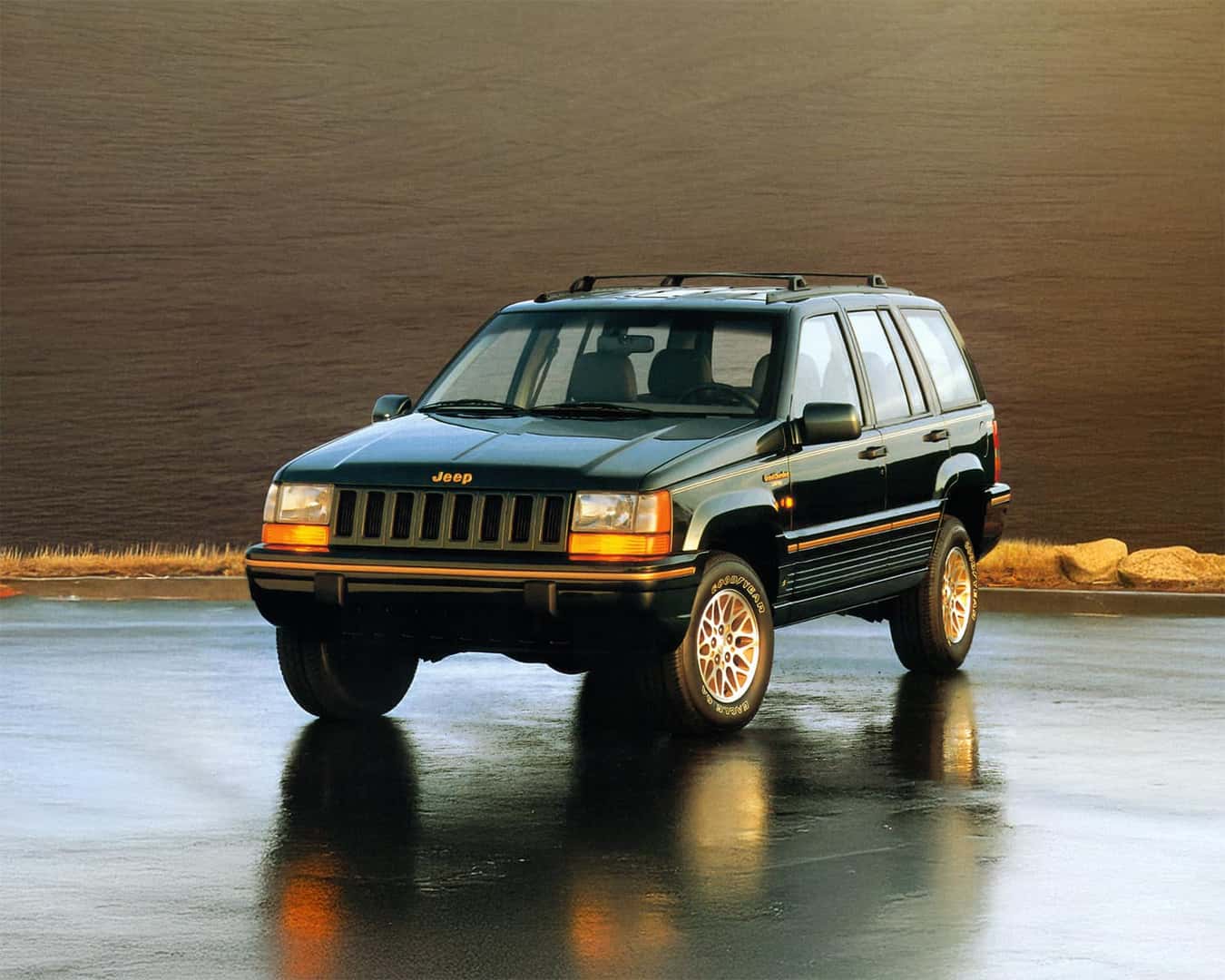
The first-generation Jeep Grand Cherokee (ZJ) debuted in 1993, introducing a blend of rugged off-road capability and upscale comfort. Known for its unibody construction and available V8 power, it set the stage for the Grand Cherokee’s reputation as a versatile SUV.
| Specification | Details |
|---|---|
| Engine | 4.0L I6; 5.2L V8; 5.9L V8 (1998) |
| Horsepower | 190–245 hp |
| MPG | 14–20 mpg |
| Dimensions (L × W × H) | ~178.9 × 69.3 × 64.7 in |
| Ground Clearance | 7.7–8.3 in |
| Wheelbase | 105.9 in |
| Towing Capacity | Up to 6,500 lbs |
The 1st Generation Jeep Grand Cherokee (ZJ), produced from 1993 to 1998, marked a bold step forward for Jeep by combining rugged 4×4 performance with everyday comfort. Built on a unibody platform, the Grand Cherokee offered a smoother ride than many traditional SUVs of its era while still delivering the off-road capability that Jeep drivers in Elk Grove, Sacramento, Folsom, and surrounding areas expected.
Buyers could choose from a reliable 4.0L inline-six or upgrade to V8 power, including the high-output 5.9L V8 introduced in 1998. With horsepower ranging from 190 to 245 hp, the first-generation Grand Cherokee provided strong acceleration for its class. Fuel economy averaged 14–20 mpg, while dimensions of about 178.9 inches in length and a wheelbase of 105.9 inches made it maneuverable in both city streets and rugged trails near Lodi, Woodland, Roseville, and Davis. Ground clearance between 7.7 and 8.3 inches gave it the ability to tackle uneven terrain, and a towing capacity of up to 6,500 pounds made it a practical choice for families and adventurers alike.
The first-generation Jeep Grand Cherokee set the foundation for future models by blending size, capability, and comfort, making it a favorite among Northern California drivers who wanted a versatile SUV that could handle both daily commutes and weekend getaways.
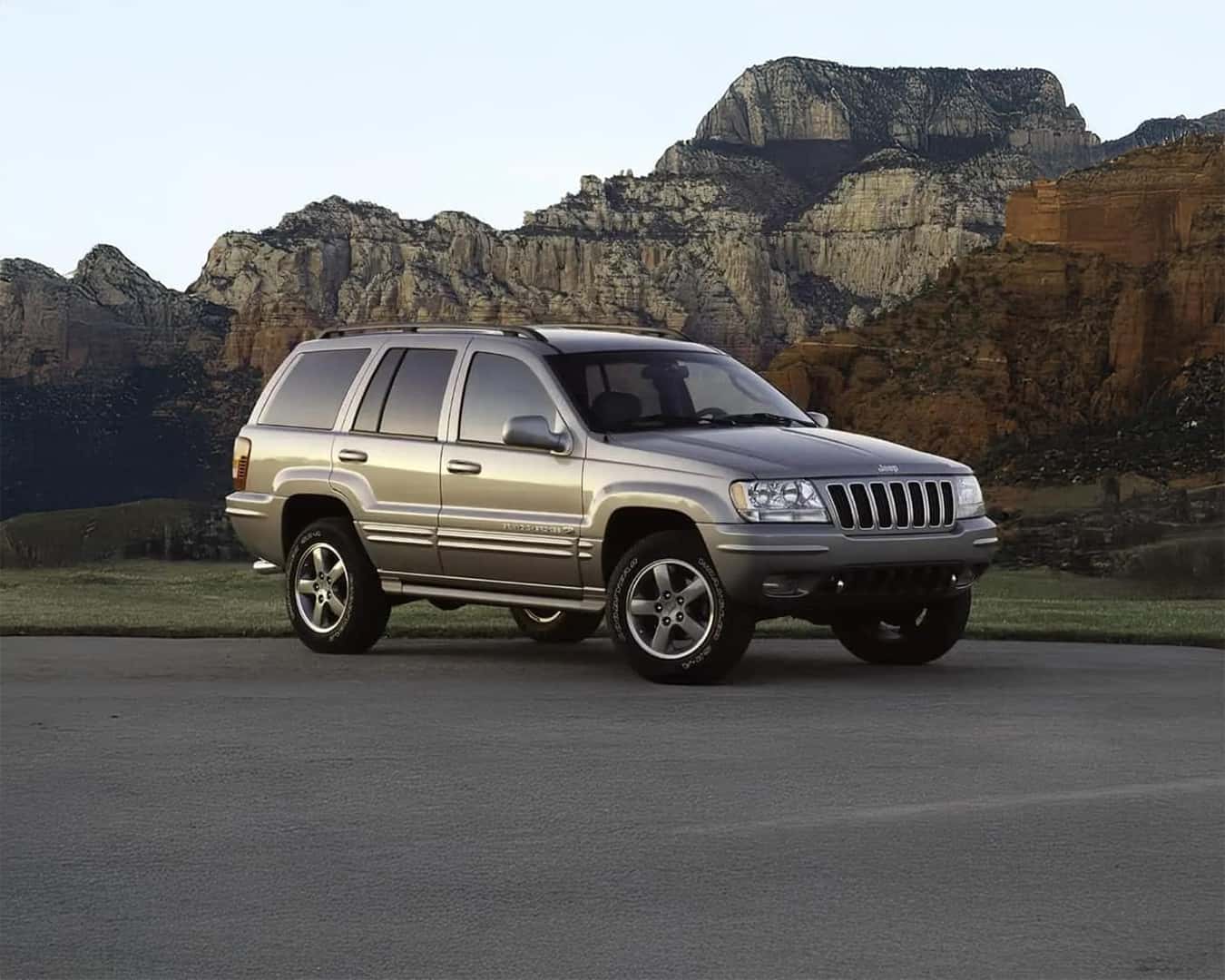
The second-generation Grand Cherokee (WJ) refined the formula with improved ride quality, updated styling, and more powerful engine options. It balanced everyday comfort with Jeep’s legendary off-road performance.
| Specification | Details |
|---|---|
| Engine | 4.0L I6; 4.7L V8 |
| Horsepower | 195–265 hp |
| MPG | 14–21 mpg |
| Dimensions (L × W × H) | ~181.5 × 72.3 × 69.4 in |
| Ground Clearance | ~8.3 in |
| Wheelbase | 105.9 in |
| Towing Capacity | Up to 6,500 lbs |
The 2nd Generation Jeep Grand Cherokee (WJ), produced from 1999 to 2004, built on the success of the original model by offering a more refined driving experience and updated styling. With engine choices including the proven 4.0L inline-six and a stronger 4.7L V8, this generation delivered between 195 and 265 horsepower, giving drivers in Elk Grove, Sacramento, and Folsom the power they needed for both city commutes and weekend adventures.
Fuel efficiency improved slightly, with averages ranging from 14 to 21 mpg, while dimensions of about 181.5 inches in length and a wheelbase of 105.9 inches provided a comfortable balance of size and maneuverability. Ground clearance of roughly 8.3 inches ensured the Grand Cherokee remained capable on rugged trails near Lodi, Woodland, Roseville, and Davis. With a towing capacity of up to 6,500 pounds, the WJ was a versatile SUV for families and outdoor enthusiasts alike.
This generation also introduced more advanced safety features and a smoother suspension system, making it a popular choice for Northern California drivers who wanted a Jeep that could handle both off-road challenges and everyday comfort. The 2nd Generation Jeep Grand Cherokee solidified its reputation as a dependable, capable, and stylish SUV that appealed to a wide range of drivers.
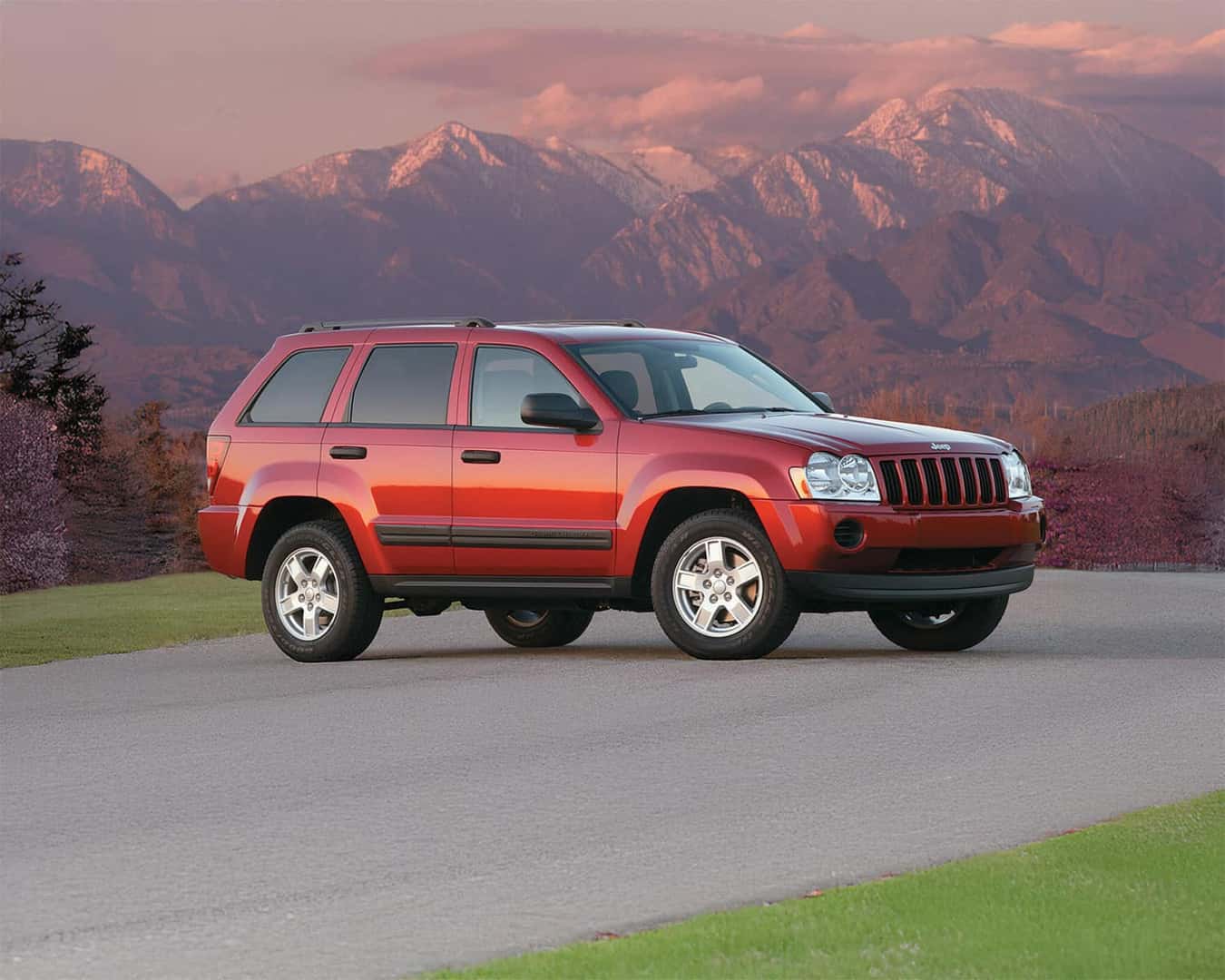
The third-generation Grand Cherokee (WK) introduced a more modern design, advanced 4×4 systems, and high-performance SRT models. It offered a wide range of engines, including the powerful 6.1L HEMI V8.
| Specification | Details |
|---|---|
| Engine | 3.7L V6; 4.7L V8; 5.7L HEMI V8; 6.1L SRT8 V8 |
| Horsepower | 210–420 hp |
| MPG | 13–20 mpg |
| Dimensions (L × W × H) | ~186.6 × 73.3 × 67.7 in |
| Ground Clearance | 8.1–8.7 in |
| Wheelbase | 109.5 in |
| Towing Capacity | Up to 7,200 lbs |
The 3rd Generation Jeep Grand Cherokee (WK), produced from 2005 to 2010, brought a bold new design and advanced technology to the lineup. This generation introduced a wider range of engines, from the efficient 3.7L V6 to the powerful 5.7L HEMI V8, and even the high-performance 6.1L SRT8 V8 that delivered up to 420 horsepower. With horsepower ratings spanning 210 to 420 hp, the WK offered drivers in Elk Grove, Sacramento, and Folsom plenty of options for both daily driving and spirited performance.
Fuel economy ranged from 13 to 20 mpg, while dimensions of about 186.6 inches in length and a wheelbase of 109.5 inches gave the SUV a larger, more commanding presence on the road. Ground clearance between 8.1 and 8.7 inches ensured that the Grand Cherokee remained a capable off-road vehicle, perfect for exploring trails near Lodi, Woodland, Roseville, and Davis.
With a towing capacity of up to 7,200 pounds, the 3rd Generation Jeep Grand Cherokee was also a practical choice for hauling boats, trailers, or recreational gear. This era of the Grand Cherokee combined modern styling, advanced 4×4 systems, and impressive performance, making it a favorite among Northern California drivers who wanted a versatile SUV that could handle both rugged terrain and refined city driving.
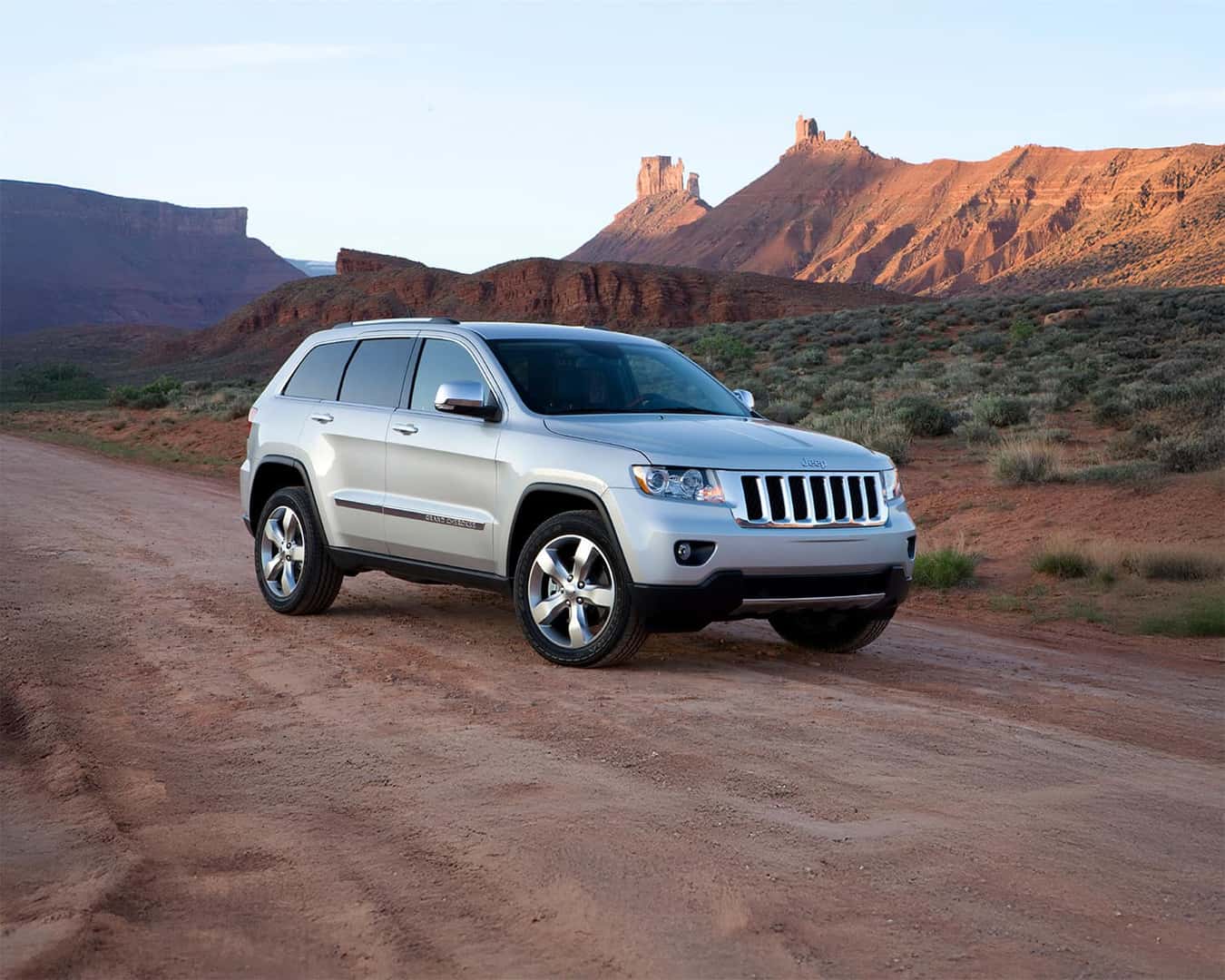
The fourth-generation Grand Cherokee (WK2) elevated luxury and performance, offering advanced safety features, refined interiors, and extreme performance trims like the Trackhawk with 707 horsepower.
| Specification | Details |
|---|---|
| Engine | 3.6L V6; 5.7L HEMI V8; 3.0L EcoDiesel V6; 6.4L SRT V8; 6.2L Supercharged V8 |
| Horsepower | 290–707 hp |
| MPG | 13–26 mpg |
| Dimensions (L × W × H) | ~189.8 × 76.5 × 69.3 in |
| Ground Clearance | 8.6–11.3 in (air suspension) |
| Wheelbase | 114.8 in |
| Towing Capacity | Up to 7,200 lbs |
The 4th Generation Jeep Grand Cherokee (WK2), produced from 2011 to 2021, represented a major leap forward in both luxury and performance. With engine options ranging from the efficient 3.6L V6 to the powerful 5.7L HEMI V8, and even high-performance trims like the 6.4L SRT and 6.2L Supercharged Trackhawk, this generation delivered horsepower ratings from 290 to an incredible 707 hp. Drivers in Elk Grove, Sacramento, and Folsom appreciated the balance of everyday comfort and thrilling performance, while fuel economy ranged from 13 to 26 mpg depending on the engine.
Measuring about 189.8 inches in length with a 114.8-inch wheelbase, the WK2 offered a larger, more refined presence on the road. Ground clearance of 8.6 to 11.3 inches, thanks to available air suspension, made it a capable off-road SUV for adventures near Lodi, Woodland, Roseville, and Davis. With a towing capacity of up to 7,200 pounds, the 4th Generation Jeep Grand Cherokee was as practical as it was powerful.
This era also introduced advanced safety technology, upscale interior materials, and modern infotainment systems, making it one of the most versatile SUVs in Northern California. Whether tackling rugged trails or cruising city streets, the WK2 set a new benchmark for capability, comfort, and innovation in the Jeep Grand Cherokee lineup.
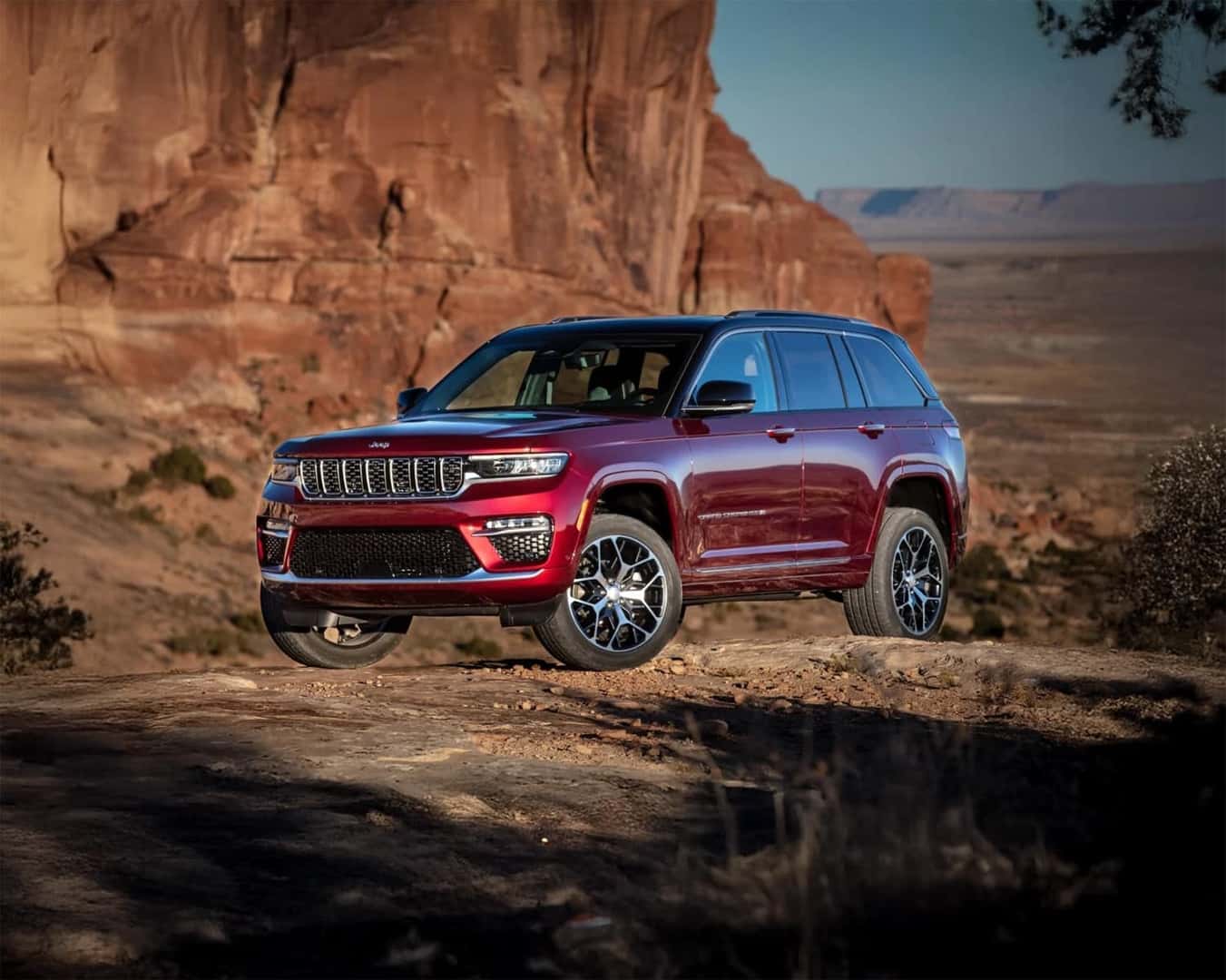
The fifth-generation Grand Cherokee (WL) continues the legacy with modern technology, a plug-in hybrid 4xe option, and enhanced luxury. It offers impressive towing, advanced driver-assist features, and Trailhawk off-road capability.
| Specification | Details |
|---|---|
| Engine | 3.6L V6; 5.7L HEMI V8 (to 2023); 2.0L Turbo PHEV (4xe) |
| Horsepower | 293–375 hp |
| MPG | 19–25 mpg; 56 MPGe (4xe) |
| Dimensions (L × W × H) | ~193.5 × 77.5 × 70.8 in |
| Ground Clearance | 8.4–11.3 in (Trailhawk) |
| Wheelbase | 116.7 in |
| Towing Capacity | 6,000–7,200 lbs |
The 5th Generation Jeep Grand Cherokee (WL), introduced in 2022, continues to evolve as one of the most versatile midsize SUVs on the market. With modern styling, advanced technology, and a wide range of powertrains, this generation appeals to drivers across Elk Grove, Sacramento, and Folsom who want both capability and comfort. Engine options include the proven 3.6L V6, the powerful 5.7L HEMI V8 (available through 2023), and the innovative 2.0L Turbo Plug-in Hybrid Electric Vehicle (4xe), which delivers up to 375 horsepower and an impressive 56 MPGe. Traditional gasoline models achieve 19–25 mpg, making the Grand Cherokee efficient for daily commutes while still offering strong performance.
With dimensions of about 193.5 inches in length and a wheelbase of 116.7 inches, the WL provides a spacious interior and commanding road presence. Ground clearance ranges from 8.4 to 11.3 inches in Trailhawk models, ensuring off-road confidence for adventures near Lodi, Woodland, Roseville, and Davis. Towing capacity remains robust at 6,000–7,200 pounds, making it a practical choice for hauling boats, trailers, or recreational gear.
The 5th Generation Jeep Grand Cherokee blends luxury, technology, and rugged capability, setting a new standard for Northern California drivers who demand an SUV that can handle both urban life and outdoor exploration.
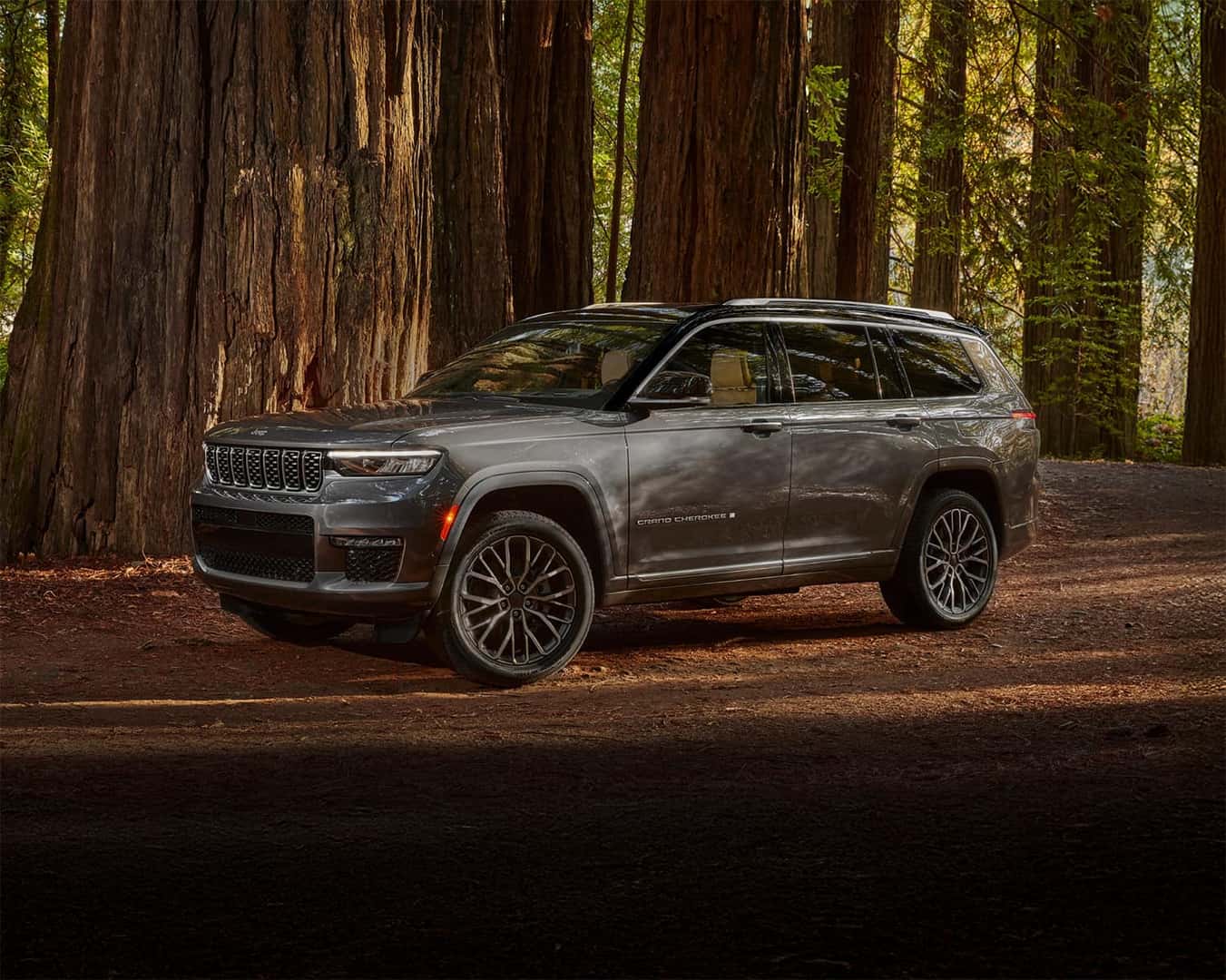
The Grand Cherokee L was introduced alongside the 5th Generation WL as a long‑wheelbase variant, designed to expand the Grand Cherokee’s versatility with three rows of seating and enhanced passenger space. It retains the same rugged DNA and premium features of the standard Grand Cherokee while offering greater practicality for families and adventurers who need more room.
| Specification | Details |
|---|---|
| Engine | 3.6L Pentastar V6; 5.7L HEMI V8 |
| Horsepower | 293 hp (V6); 357 hp (V8) |
| MPG | 18–26 mpg (V6); 14–22 mpg (V8) |
| Dimensions (L × W × H) | ~204.9 × 77.9 × 71.5 in |
| Wheelbase | 121.7 in |
| Seating | Up to 7 passengers (three rows) |
| Towing Capacity | Up to 7,200 lbs (V8) |
The Grand Cherokee L delivers the same capability drivers expect from the Jeep brand, with available Quadra‑Lift® Air Suspension, advanced 4×4 systems, and a maximum towing capacity of 7,200 pounds when properly equipped. Its extended 121.7‑inch wheelbase provides a smoother ride and significantly more interior space, making it ideal for larger families or those who frequently travel with extra passengers and cargo.
Inside, the Grand Cherokee L emphasizes comfort and technology, offering available premium leather seating, Uconnect® 5 with a 10.1‑inch touchscreen, and advanced driver‑assist features. With seating for up to seven, it bridges the gap between midsize and full‑size SUVs, giving buyers the flexibility of a three‑row layout without sacrificing Jeep’s legendary off‑road capability.
By adding the Grand Cherokee L to the lineup, Jeep has expanded the appeal of the 5th Generation, ensuring there’s a Grand Cherokee for every lifestyle—from urban commuting to family road trips and rugged outdoor adventures.
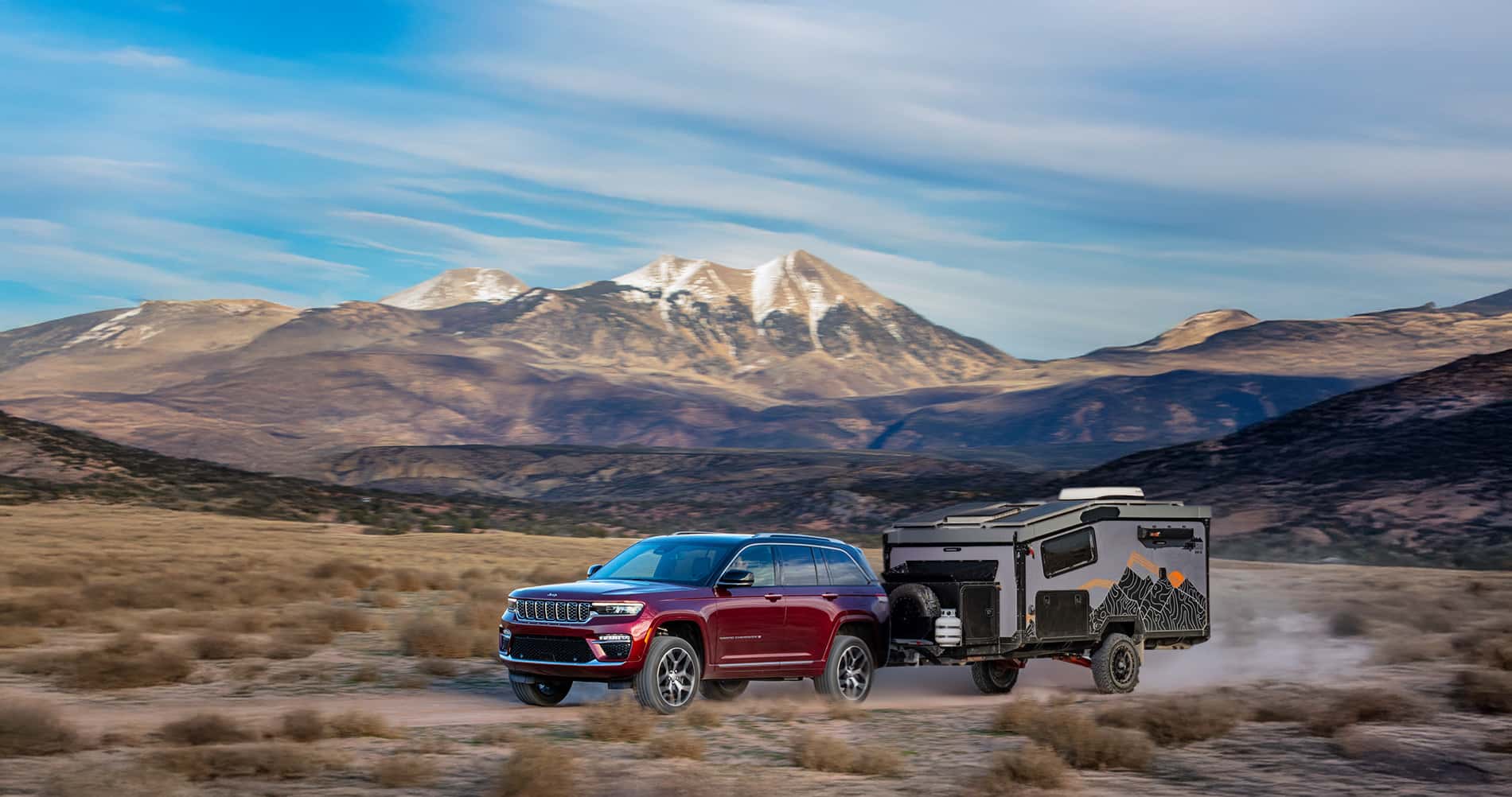
Looking across the five Jeep Grand Cherokee Generations, it’s clear that Jeep has consistently evolved this SUV to meet the changing needs of drivers while staying true to its rugged heritage. From the dependable inline-six and V8 engines of the 1990s to today’s advanced plug‑in hybrid 4xe, each generation has introduced new strengths—whether in horsepower, towing capacity, fuel efficiency, or interior refinement.
The early models built the Grand Cherokee’s reputation for durability and off‑road confidence, while later generations expanded its appeal with luxury trims, cutting‑edge technology, and record‑breaking performance. The introduction of adaptive air suspension, EcoDiesel efficiency, and the supercharged Trackhawk demonstrated Jeep’s ability to innovate without losing sight of capability. Today, the fifth generation continues that tradition, blending modern sustainability with legendary strength, offering drivers a choice between proven V6 power, HEMI muscle, and electrified efficiency.
Ultimately, the Grand Cherokee’s story is one of balance—between city comfort and trail toughness, between family practicality and high‑performance thrills. By examining engines, horsepower, MPG, dimensions, ground clearance, and towing capacity across the decades, shoppers can see how this SUV has grown into one of the most versatile and respected vehicles in its class. Whether you’re drawn to the nostalgia of the early models or the innovation of the latest 4xe, the Jeep Grand Cherokee remains a benchmark for capability, comfort, and evolution in the SUV market.
At Elk Grove Chrysler Dodge Jeep Ram, we don’t just sell vehicles—we live and breathe the Jeep legacy. For us, the Jeep Grand Cherokee Generations aren’t just numbers on a chart; they represent decades of innovation, capability, and customer trust. From the rugged first‑generation models that built Jeep’s reputation to today’s advanced 4xe plug‑in hybrids, we’ve seen firsthand how the Grand Cherokee continues to raise the bar for SUVs.
Our team takes pride in guiding drivers through every option—whether you’re looking for the proven strength of a HEMI V8, the efficiency of a modern hybrid, or the luxury of a Summit Reserve. We know that specs like horsepower, towing capacity, and ground clearance matter, but so does finding the right fit for your lifestyle. That’s why we make it our mission to match every customer with the perfect Grand Cherokee, backed by expert service and a community‑focused approach.
If this comparison has you excited about what the Grand Cherokee can do, we invite you to experience it in person. Visit us at Elk Grove CDJR to explore our inventory, take a test drive, and see why drivers across Northern California trust us for their Jeep journey.
DISCLAIMERS:
Jeep® Brand Disclaimer: Jeep® and the Jeep® grille are registered trademarks of FCA US LLC, a wholly owned subsidiary of Stellantis N.V.
Specifications Disclaimer: All specifications, features, and options shown are based on manufacturer information available at the time of publication. Actual production vehicles may vary. Jeep reserves the right to change or discontinue models, trims, equipment, and features at any time without notice.
MSRP Disclaimer: Manufacturer’s Suggested Retail Price (MSRP) excludes destination, taxes, title, and registration fees. Dealer pricing may vary. Check with your local Jeep dealer for the most up-to-date pricing.
Fuel Economy Disclaimer: EPA estimated miles per gallon (MPG) and MPGe figures are for comparison purposes only. Actual mileage may vary depending on driving conditions, vehicle configuration, and maintenance.
Towing Disclaimer: Maximum towing capacity figures are based on properly equipped vehicles. Towing capacity varies by engine, drivetrain, and equipment. Always consult the owner’s manual before towing.
Performance Disclaimer: Horsepower, torque, and performance figures are manufacturer estimates and may vary in actual production vehicles.
Safety Disclaimer: Vehicle safety features are supplemental and do not replace safe driving practices. Always drive carefully and within the limits of the law.
Historical Data Disclaimer: Specifications and pricing for past Jeep Grand Cherokee Generations are based on manufacturer archives and may not reflect current standards or availability.